Selecting the perfect plant pot size is more important than you might think. The right pot can have a significant impact on plant health, growth rate, and overall success. Whether you’re a new plant parent or a seasoned gardener, understanding how to choose the correct pot size can make all the difference for your indoor and outdoor plants. In this guide, we’ll walk you through everything you need to know about choosing the right pot size, why it matters, and how to make the best choice for your plants.
Table of Contents
Why Choosing the Right Pot Size Matters
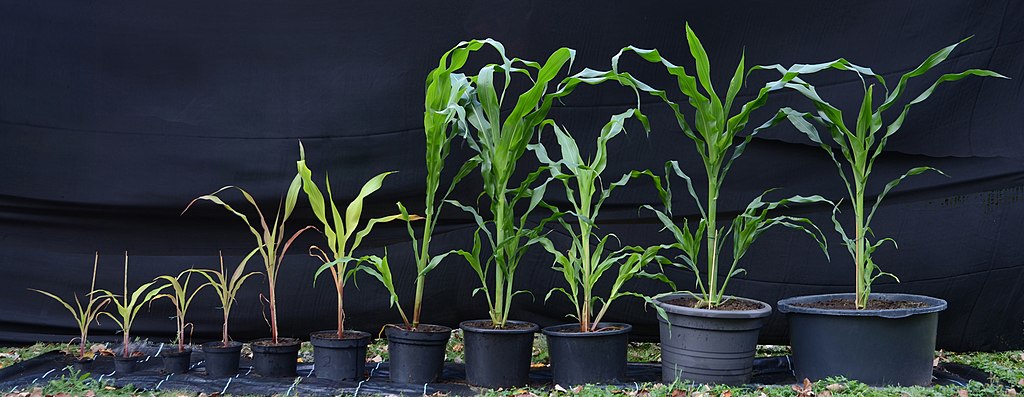
The size of your plant pot plays a vital role in your plant’s health and development. Too small, and the roots may become cramped and stressed. Too large, and the excess soil can hold water, leading to root rot. Finding the right balance is key for vibrant, thriving plants. The size also impacts the visual appeal of your plant arrangement, which is especially important if you’re using planters to enhance your decor.
If you are looking to choose the perfect planter for your home, explore our wide range of round planters and rectangular planters, ideal for various plant sizes and settings.
Key Factors to Consider When Choosing a Pot Size
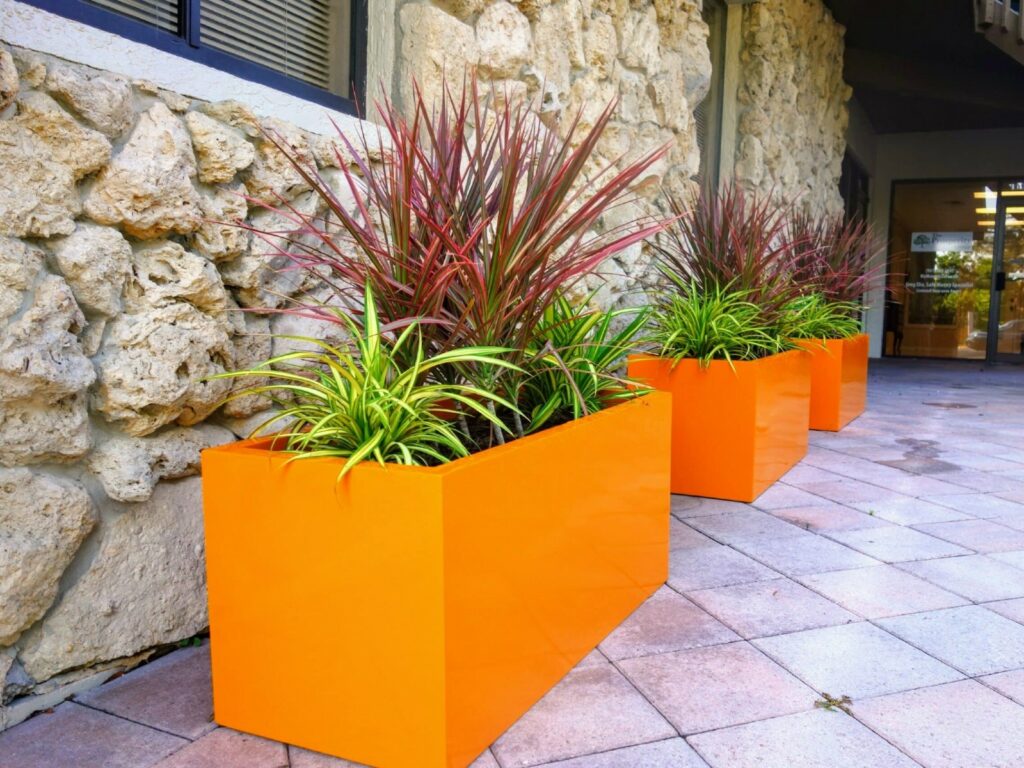
When selecting a pot size, several factors come into play. Here’s what you need to consider:
Plant Growth: Different plants have different growth rates. Fast-growing plants will need larger pots to accommodate rapid root development, whereas slow-growers are better suited for smaller containers.
Root Space: The pot should provide enough room for the plant’s roots to expand without becoming root-bound, which happens when the roots circle around the inside of the pot due to lack of space. If the plant appears to be struggling or wilting, it might be time to consider repotting into a larger pot.
Type of Plant: Large trees or statement plants, such as fiddle leaf figs, will need larger planters. On the other hand, succulents and small houseplants like spider plants can thrive in compact, tabletop planters.
Growth Environment: Consider the environment where your plant will live. If it will be indoors, perhaps on a windowsill, a smaller, compact planter may be more appropriate. For outdoor plants, a large outdoor planter might be the best option to allow ample growth.
Small Pots (4-6 Inches)
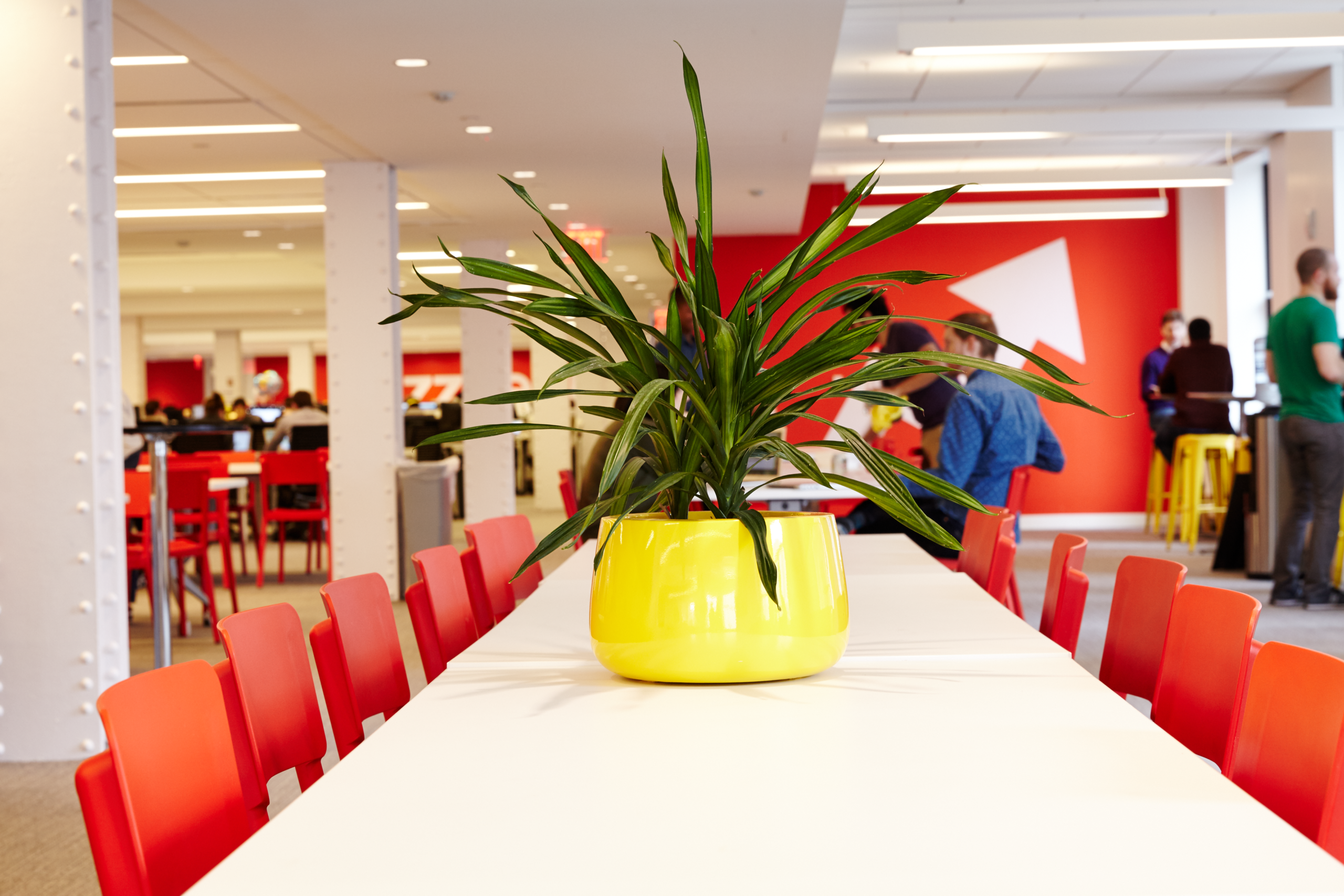
Small pots are perfect for young plants, succulents, and herbs. These pots allow you to manage water effectively and provide a snug fit for plants with compact root systems. Small pots are also ideal for tabletop arrangements where space might be limited.
Great for Small Plants: Herbs, succulents, and cactus varieties do well in small pots since their roots do not require much space. You can use these planters to accentuate your desks, shelves, and kitchen countertops.
Use for Decoration: Consider placing these pots on tabletops, bookshelves, or as a centerpiece. Our Vicksburg Rectangular Tabletop Planter is a stylish choice that’s versatile for various small plants.
Medium Pots (8-12 Inches)
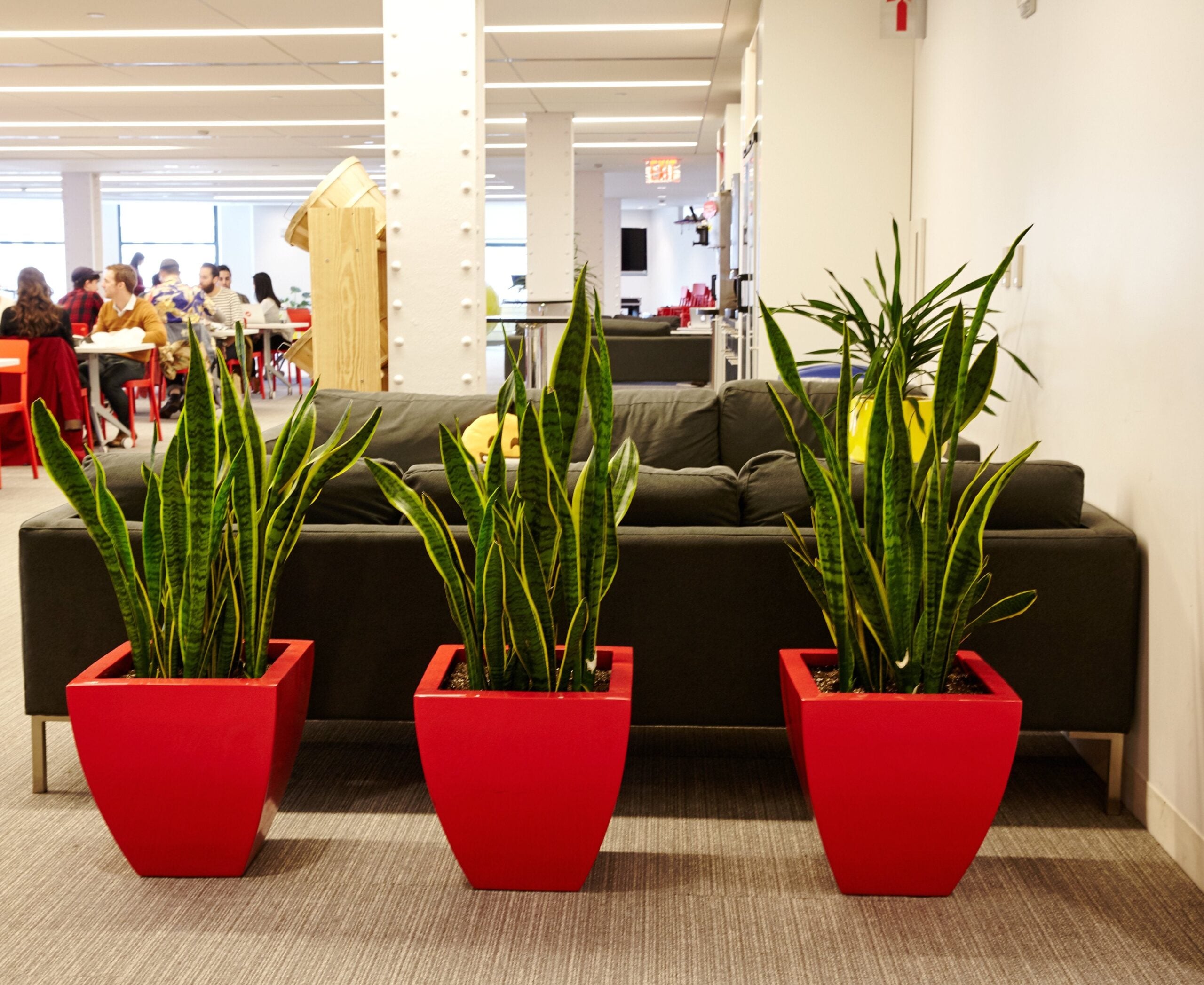
Medium-sized pots are best for slightly larger plants, such as ferns, small indoor palms, or flowering plants. This size is a great in-between for those plants that have outgrown their small pots but are not yet ready for a large container.
Supports Growth: Medium pots are ideal for plants in their early growth stages. They provide enough room for roots to expand while preventing the risk of overwatering associated with larger pots.
Adding Dimension: Medium pots are excellent for creating visual balance in a space. Place them on the floor or use them in combination with other indoor planters to add height variation and texture to your indoor garden.
Large Pots (14+ Inches)
Large planters make a bold statement, whether indoors or outdoors. They are ideal for bigger plants like monstera, fiddle leaf figs, or small trees. A large pot provides plenty of room for the root system to grow and flourish, contributing to a healthier plant.
Perfect for Statement Plants: Plants that act as focal points in your space, such as birds of paradise or ficus, need the room that large pots offer. The Granada Wide Planter is a great choice for these larger species, adding both elegance and practicality to any area.
Outdoor Applications: For gardens, patios, or balconies, large pots are crucial for supporting large plants and trees. They provide the stability required to withstand wind and weather, and they give your outdoor space a more polished, designed look. Check out our outdoor planter collection for more ideas.
Standard Pot Sizes, Planting Ideas, and Soil Requirements
To help you make an informed decision, here are two handy charts outlining standard pot sizes, their corresponding gallon capacities, suitable plants, and soil requirements:
| Pot Size | Gallons | Plant Ideas |
|---|---|---|
| 10-inch | 3 Gallons |
|
| 12-inch | 5 Gallons |
|
| 14-inch | 7 Gallons |
|
| 16-inch | 10 Gallons |
|
| 18-inch | 15 Gallons |
|
| 24-inch | 25 Gallons |
|
| 30-inch | 30 Gallons |
|
| Pot Sizes (Inches) | Pot Equivalent (Gallons) | Suitable Plants | Soil Needed (cu.ft.) and Weight (lbs) |
|---|---|---|---|
| 4″ pot | 0.125 gallon | Nursery plants / Seedlings | 0.01 cu.ft / 0.137 lbs |
| 5-6″ pot | 0.25 gallon | Small succulents / 1 Annual | 0.03 cu.ft / 0.27 lbs |
| 7-8″ pot | 1 gallon | Larger succulents / 2 Annuals / Ornamental Grass | 0.13 cu.ft / 1.1 lbs |
| 10″ pot | 3 gallons | Small herbs such as Chives / Up to 3 annuals | 0.40 cu.ft / 3.3 lbs |
| 12″ pot | 5 gallons | Lettuce / Spinach / Strawberries | 0.66 cu.ft / 5.5 lbs |
| 14″ pot | 7 gallons | Larger herbs such as Rosemary | 0.94 cu.ft / 7.7 lbs |
| 16″ pot | 10 gallons | Small shrubs / Small fruits such as Raspberry | 1.33 cu.ft / 11 lbs |
| 18″ pot | 15 gallons | Vegetables such as tomato plants / Mix of annuals | 2.00 cu.ft / 16.5 lbs |
| 24″ pot | 25 gallons | Evergreen shrubs / Dwarf trees | 3.34 cu.ft / 27.5 lbs |
| 30″ pot | 30 gallons | Larger plants / Small trees | 4.01 cu.ft / 33 lbs |
| 32″ pot | 35 gallons | Large shrubs & trees: Palm trees, Boxwood | 4.68 cu.ft / 35.5 lbs |
| 36″ pot | 40 gallons | Larger trees: Orchard fruit trees such as Apple | 5.00 cu.ft / 37 lbs |
| 44″ pot | 45 gallons | Fully grown trees: Pine, Spruce, Hawthorn | 5.53 cu.ft / 43 lbs |
*All figures are estimates and exact specifications largely depend on the manufacturer and shape of the planter.These charts serve as general guidelines to help you pair your pots with appropriate plants and understand the soil needed needed. Remember that plant needs can vary, so always consider the specific requirements of each plant species.
Choosing the Right Pot Depth
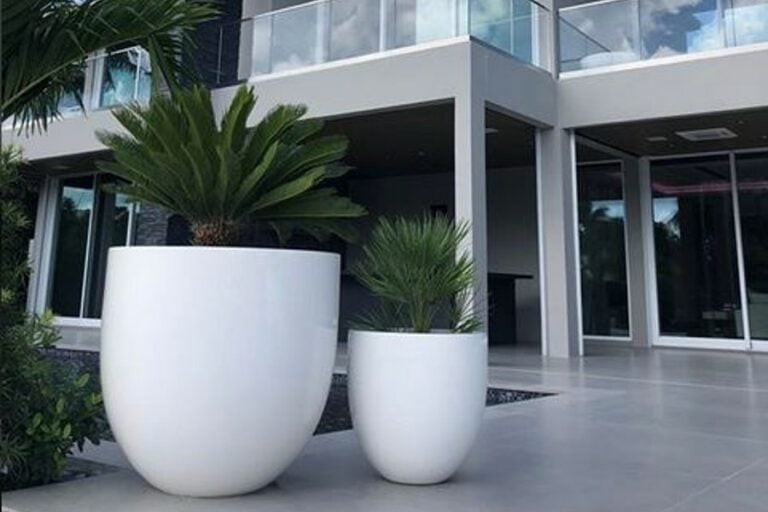
Depth is just as important as diameter when selecting the correct planter for your plants. The depth of your pot determines how deep the root system can grow and how well the plant can thrive in its environment.
Shallow Pots: Best for succulents and herbs, as these plants have relatively shallow root systems. Shallow pots are ideal for displaying on windowsills or using as wall-mounted planters.
Deep Pots: Ideal for plants with extensive root systems such as palms, ficus, or even fruiting plants. For plants like these, having the extra depth is crucial to support both growth and stability.
The Relationship Between Pot Size and Drainage
One essential factor that is often overlooked is drainage. Proper drainage is crucial to prevent waterlogging and root rot. If the pot is too large, the extra soil can hold too much moisture, which can cause problems for your plant. Fiberglass planters come with customizable drainage options to help you control moisture levels effectively.
Drainage Holes: Drainage holes allow excess water to escape, which is essential for most plants. This feature is especially beneficial for outdoor planters that experience rainwater.
Using Saucers Indoors: If you’re using your planter indoors, consider adding a saucer to catch any water that drains out. This helps keep your surfaces clean and prevents overwatering issues.
Repotting: When to Size Up
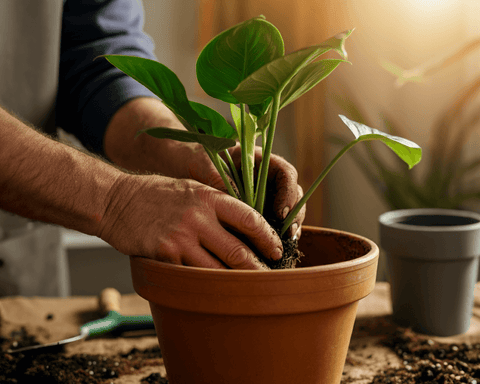
Knowing when to repot is just as important as knowing which pot to choose in the first place. Here are some signs that it might be time to size up:
Roots are Visible: If you notice roots growing out of the drainage holes, your plant is likely root-bound and needs more space.
Slow Growth: When a plant that usually grows quickly starts to slow down, it could mean the roots are running out of space.
Wilting or Yellow Leaves: If leaves are yellowing or the plant seems stressed, it may need a larger pot to thrive.
Repotting can be intimidating, but it’s necessary for maintaining healthy plants. Make sure to choose a planter with enough room for the plant to continue growing without immediately becoming too large.
The Aesthetic Impact of Pot Size
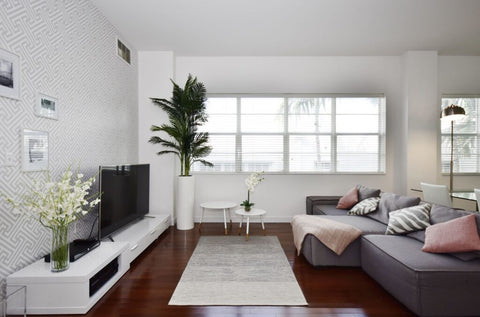
Choosing the right pot size isn’t just about the plant’s health—it’s also about creating a visually appealing space. Large planters can make a dramatic impact, acting as statement pieces for patios, entryways, or living rooms. On the other hand, small and medium planters work well as accents, adding pops of green throughout your home. Using a combination of sizes allows for depth and visual interest in your garden or indoor display.
Complement Your Decor: Whether you’re working with a minimalist aesthetic or a lush, bohemian look, the right planter can enhance your decor style. Learn more about combining tall planters for landscaping for added elegance in your outdoor spaces.
Balance and Symmetry: Place large planters at entryways for a grand look, while using smaller planters in pairs or trios to add balance and symmetry to mantels, shelves, or tabletops.
Final Thoughts on Choosing the Right Pot Size
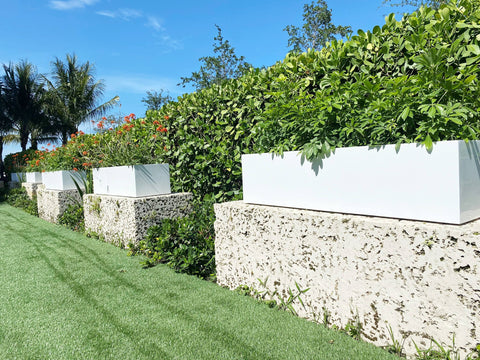
The size of your planter is one of the most important decisions you can make for your plants. It impacts growth, health, and the overall aesthetics of your space. From small pots for succulents to large planters for trees, each size serves its own purpose. Make sure to choose a pot that suits both the needs of your plant and your desired look.
For more ideas and to find the perfect planter for your plants, explore our collections of planters. Whether you’re decorating an indoor office space, designing an outdoor oasis, or simply looking for a planter box to organize your garden, our planters are built to enhance the beauty and health of your plants.
Shop Our Planters and create the perfect setting for your plants today!
Find the Perfect Planter Size for Your Plants Today!
Ready to give your plants the home they deserve? Browse our extensive collection of high-quality planters in various sizes to suit every plant and space. Shop now and nurture your plants to their fullest potential!