For many of us, two of the greatest joys in life are our pets and our plants. But as much as we love having greenery indoors, it’s essential to ensure the plants we choose are safe for our beloved cats and dogs. Unfortunately, many common indoor plants can be toxic to pets, causing anything from mild digestive issues to severe reactions. To help pet owners safely enjoy the benefits of indoor gardening, we’ve put together a list of 20 non-toxic, pet-friendly plants that can add beauty and tranquility to your home without risking your furry friends’ health.
Table of Contents
20 Pet-Friendly Houseplants
1. Spider Plant (Chlorophytum comosum)
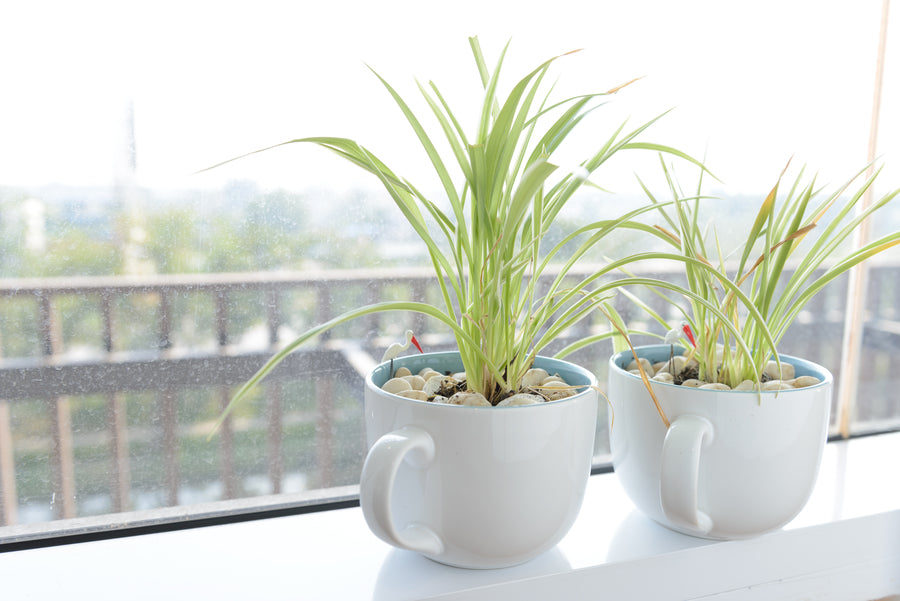
Spider plants are not only easy to grow, but they also help purify the air. Their arching, green and white striped leaves create a lovely visual effect, making them a popular choice for hanging baskets.
Care Instructions
Spider plants prefer bright, indirect light but can tolerate lower light conditions. Water them when the top inch of soil feels dry.
Design Tip
Place a spider plant in a hanging planter to keep it out of the way of curious paws.
2. Boston Fern (Nephrolepis exaltata)
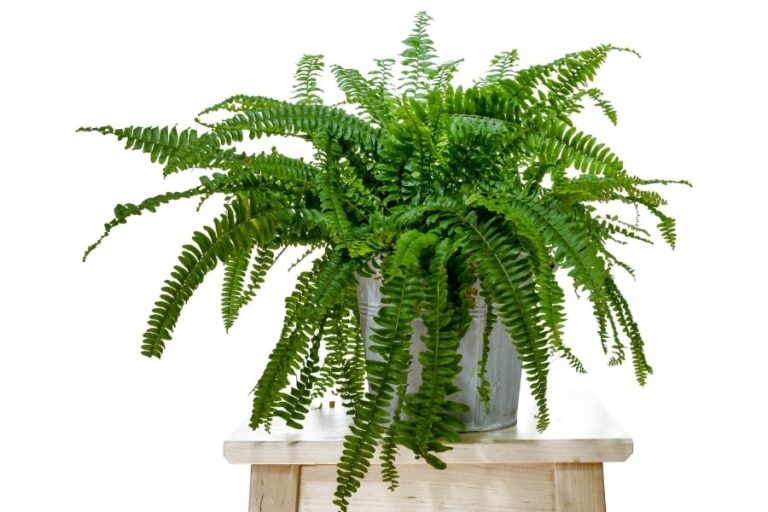
Boston ferns are lush and vibrant, adding a pop of green to your home. Their feathery fronds are safe for both cats and dogs, making them a perfect choice for pet-friendly homes.
Care Instructions
Boston ferns love humidity and indirect light. Water them regularly to keep the soil consistently moist, but not soggy.
Design Tip
Boston ferns look stunning in large, decorative planters, perfect for a bathroom or any humid area of your home.
3. Parlor Palm (Chamaedorea elegans)
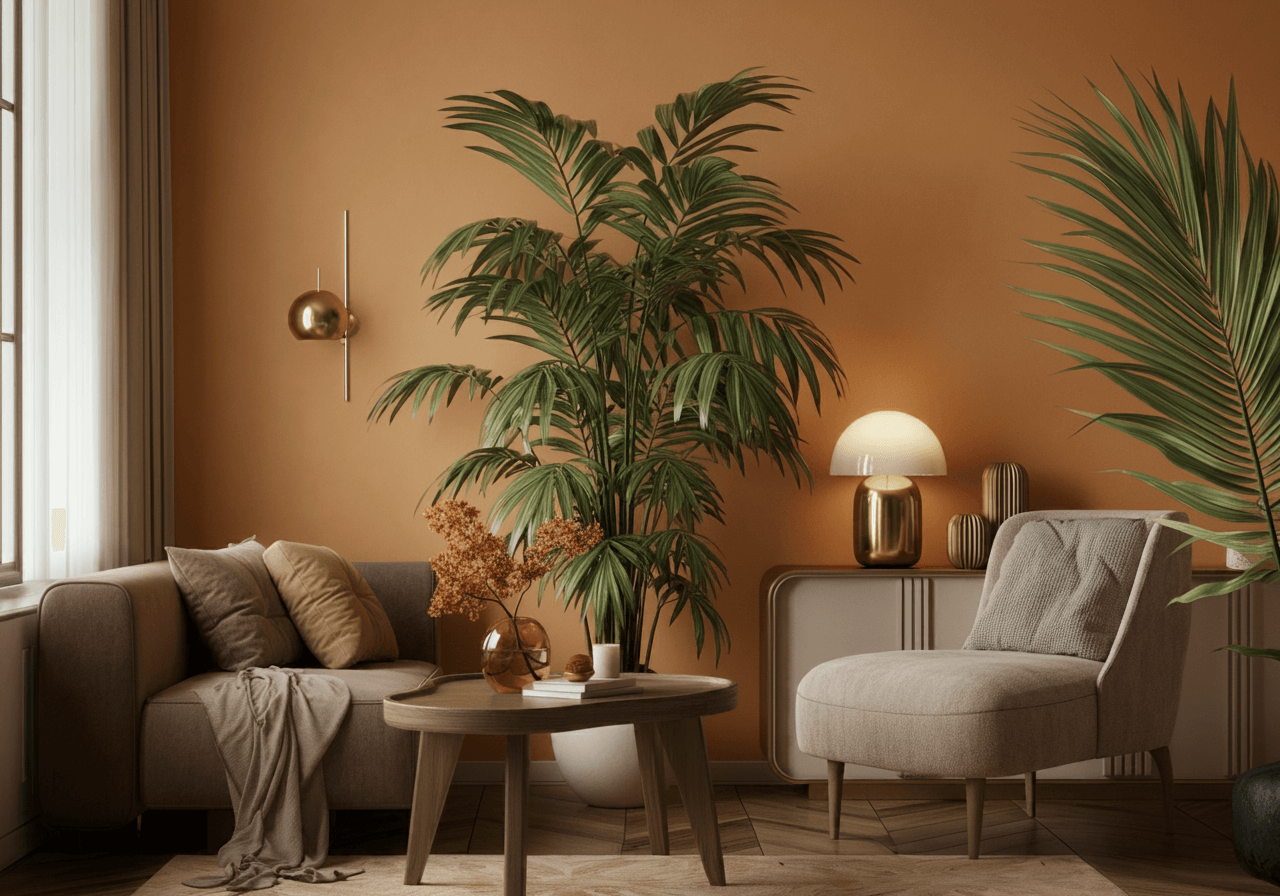
The parlor palm is a classic houseplant that grows slowly and adds a touch of elegance with its graceful, arching fronds. Plus, it’s completely safe for pets!
Care Instructions
Parlor palms prefer moderate, indirect light and evenly moist soil. They’re tolerant of lower light levels, making them versatile for various rooms in your home.
Design Tip
Place a parlor palm in a modern planter to elevate any room, from living areas to bedrooms.
4. Ponytail Palm (Beaucarnea recurvata)
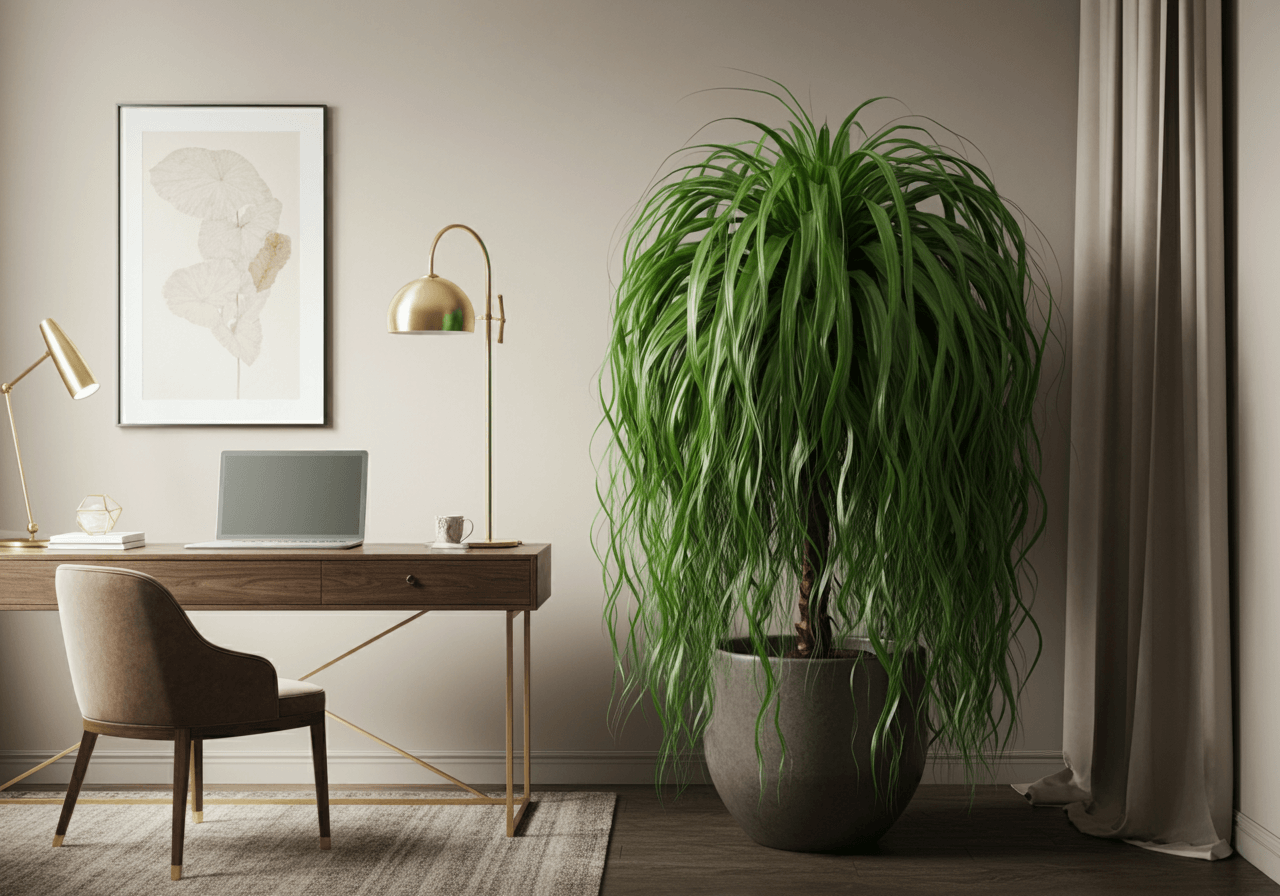
Despite its name, the ponytail palm is not a true palm but rather a drought-tolerant plant with an impressive fountain of long, curling leaves. It’s non-toxic and sure to add character to your space.
Care Instructions
Ponytail palms require bright, indirect light and minimal watering. Allow the soil to dry out completely between waterings.
Design Tip
A tall, narrow planter works well to highlight the plant’s distinct shape.
5. Rattlesnake Plant (Calathea lancifolia)
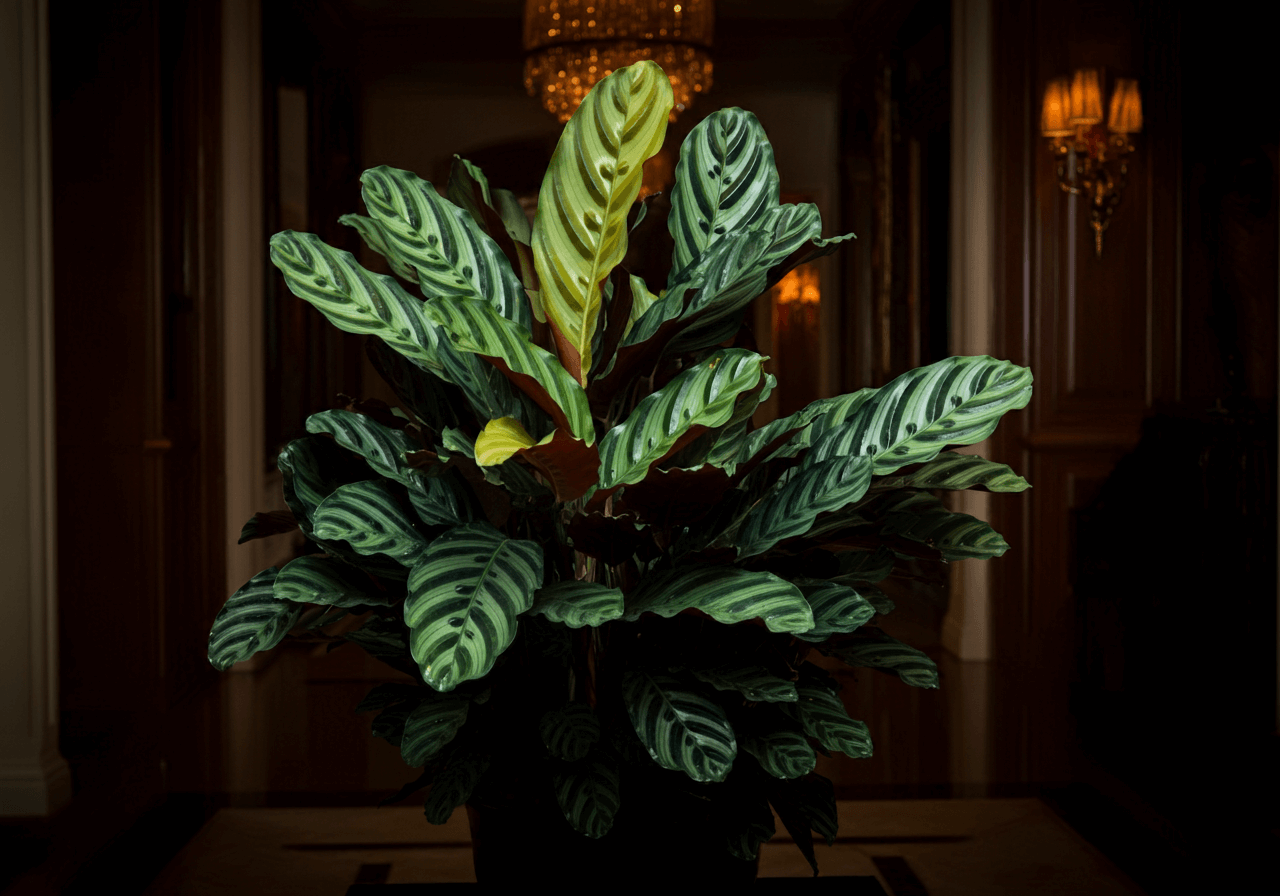
The rattlesnake plant has striking, elongated leaves with dark green markings and purple undersides. This eye-catching plant is safe for cats and dogs, making it a favorite among pet owners.
Care Instructions
Rattlesnake plants thrive in bright, indirect light and prefer slightly moist soil. They also love humidity, so misting is recommended.
Design Tip
Pair the rattlesnake plant with a colorful ceramic planter to complement its vibrant foliage.
6. Areca Palm (Dypsis lutescens)
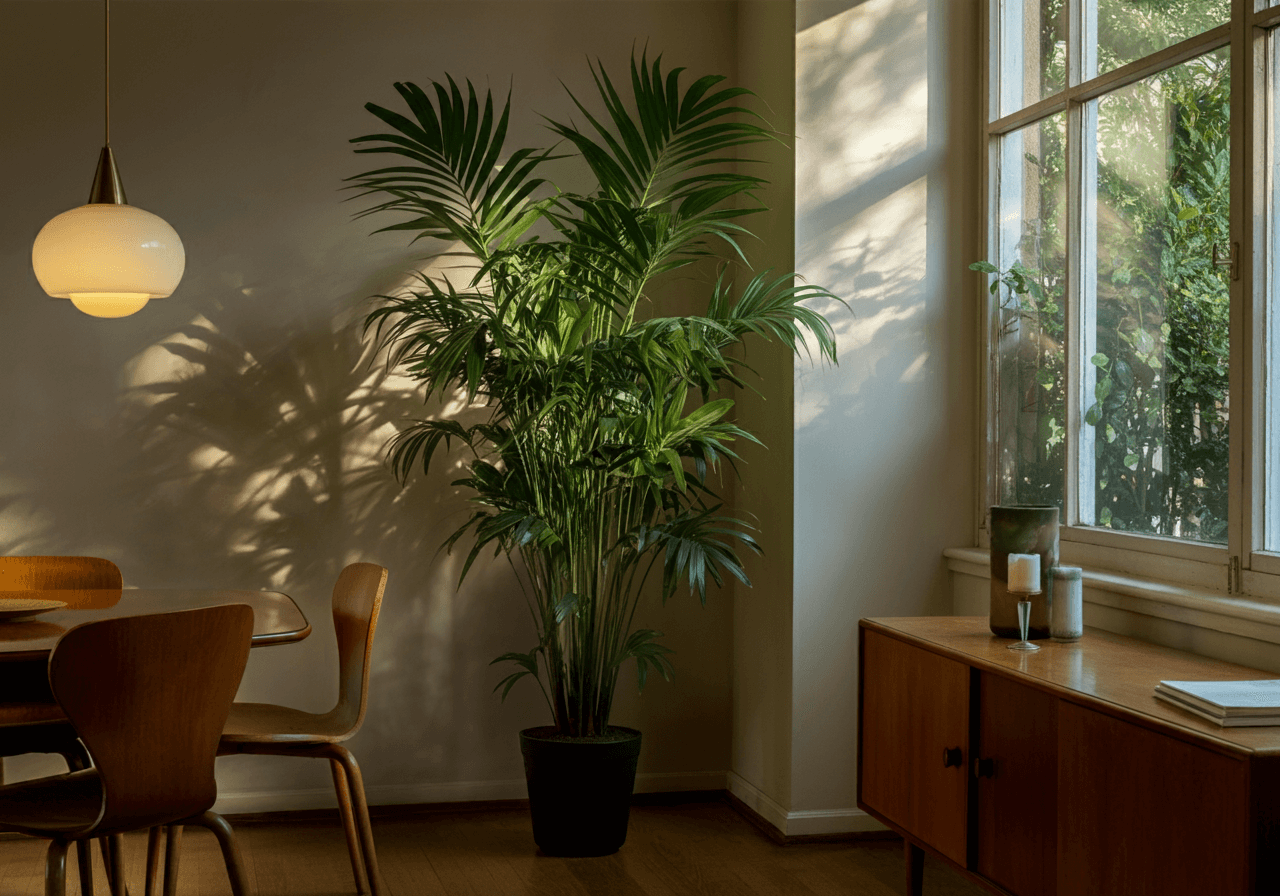
The areca palm, also known as the butterfly palm, is an elegant addition to any room, and it’s perfectly safe for pets. Its feathery, arching fronds can soften a space and bring in a tropical feel.
Care Instructions
Areca palms prefer bright, indirect light and like their soil to be consistently moist but never waterlogged.
Design Tip
An extra-large planter will accommodate its growth, allowing it to make a statement in your home.
7. African Violet (Saintpaulia)
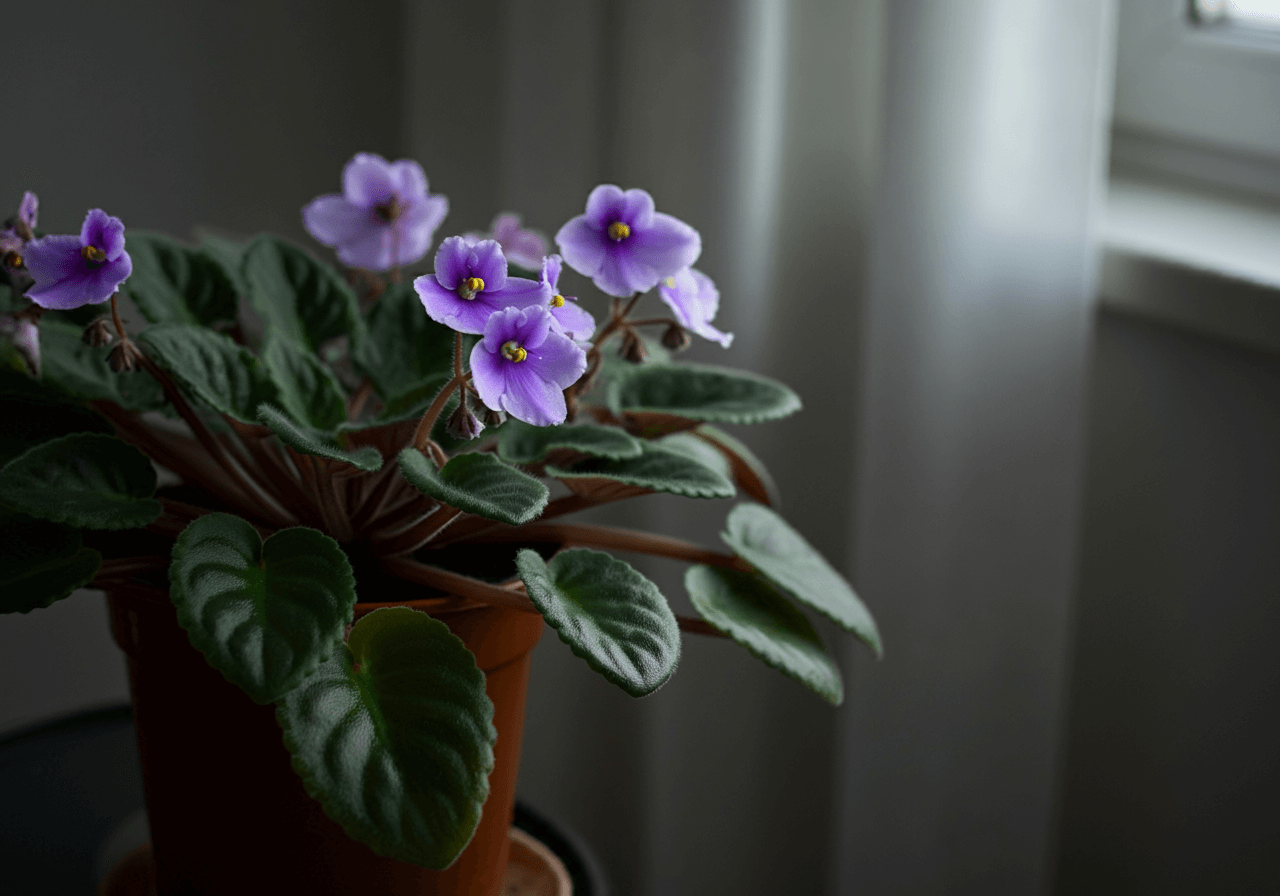
If you’re looking for a pet-safe flowering plant, African violets are a great option. Their velvety leaves and vibrant purple flowers make them a delightful addition to your home.
Care Instructions
African violets need bright, indirect light and warm temperatures. Water them carefully by placing water beneath their leaves to avoid leaf spots.
Design Tip
Place African violets in small tabletop planters for a charming display on windowsills or shelves.
8. Polka Dot Plant (Hypoestes phyllostachya)
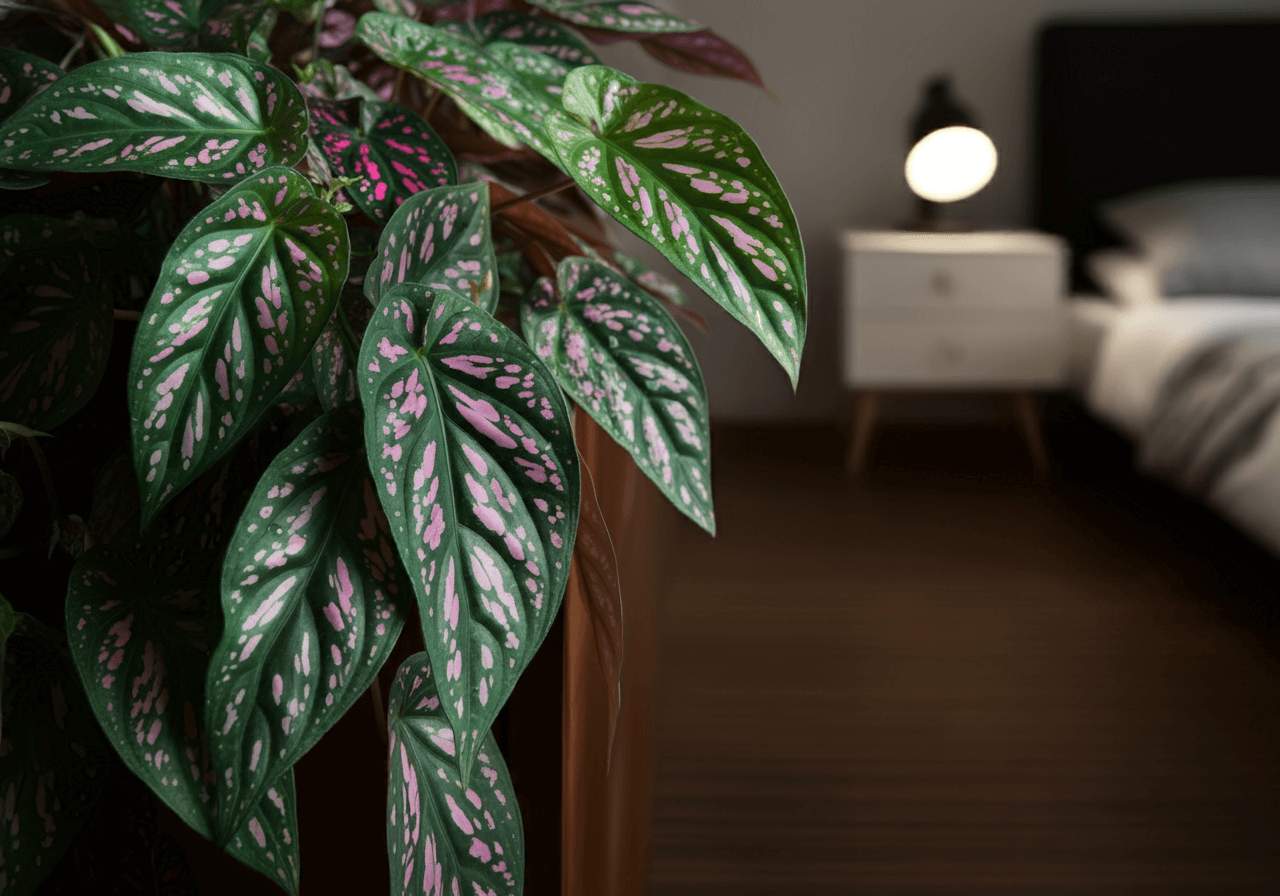
With its brightly speckled leaves, the polka dot plant adds a pop of color to any room. It’s completely non-toxic, which means your pets can safely enjoy its beauty.
Care Instructions
The polka dot plant prefers bright, indirect light and needs regular watering to keep the soil evenly moist.
Design Tip
Use a color-coordinated planter to bring out the vibrant colors of the polka dot plant’s leaves.
9. Baby Tears (Soleirolia soleirolii)
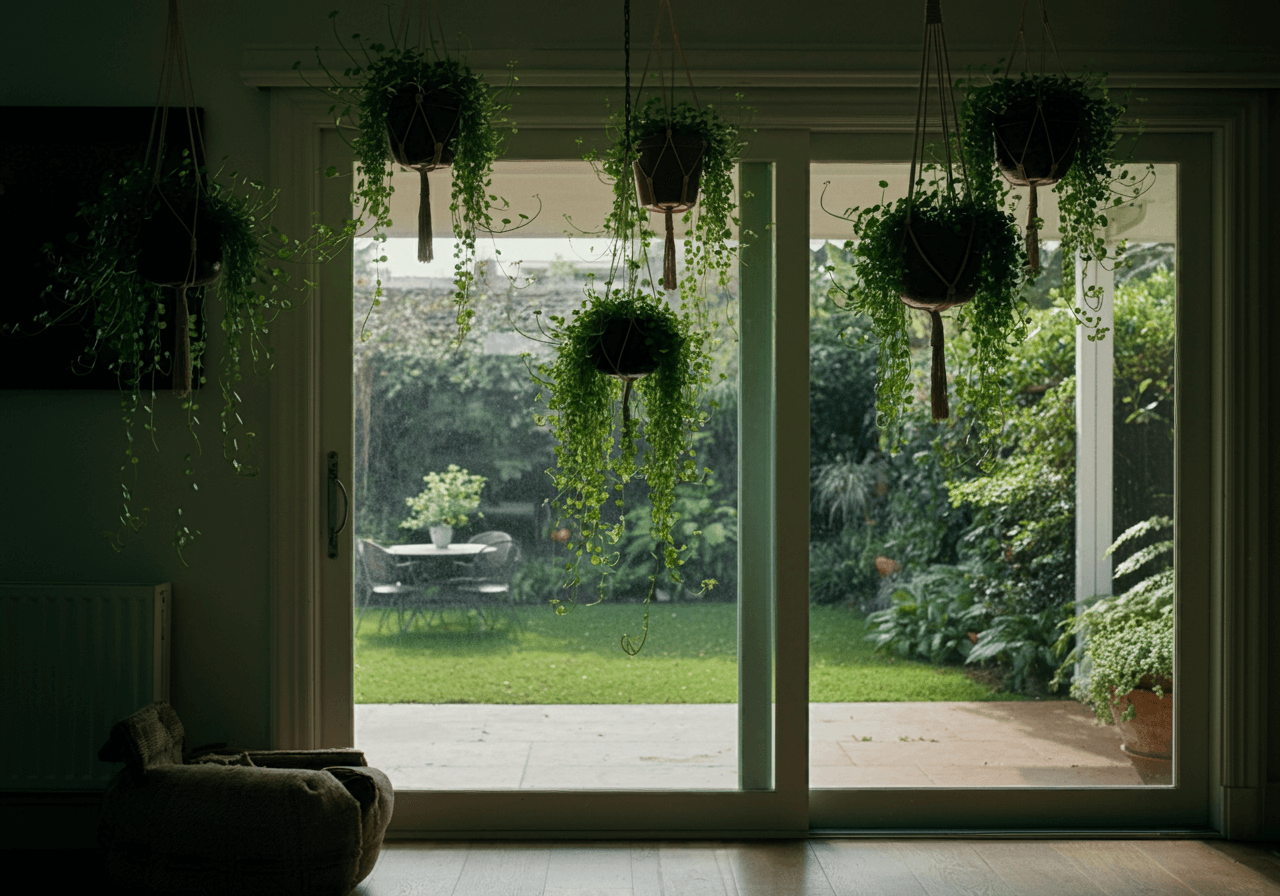
This plant forms a lush, trailing mat of tiny, round leaves, making it a popular choice for hanging baskets or as a filler in larger planters. It’s also entirely pet-friendly.
Care Instructions
Baby tears thrive in bright, indirect light and need consistently moist soil to prevent wilting.
Design Tip
Place this plant in a hanging wall planter to create a vertical green space, safely away from curious pets.
10. Friendship Plant (Pilea involucrata)
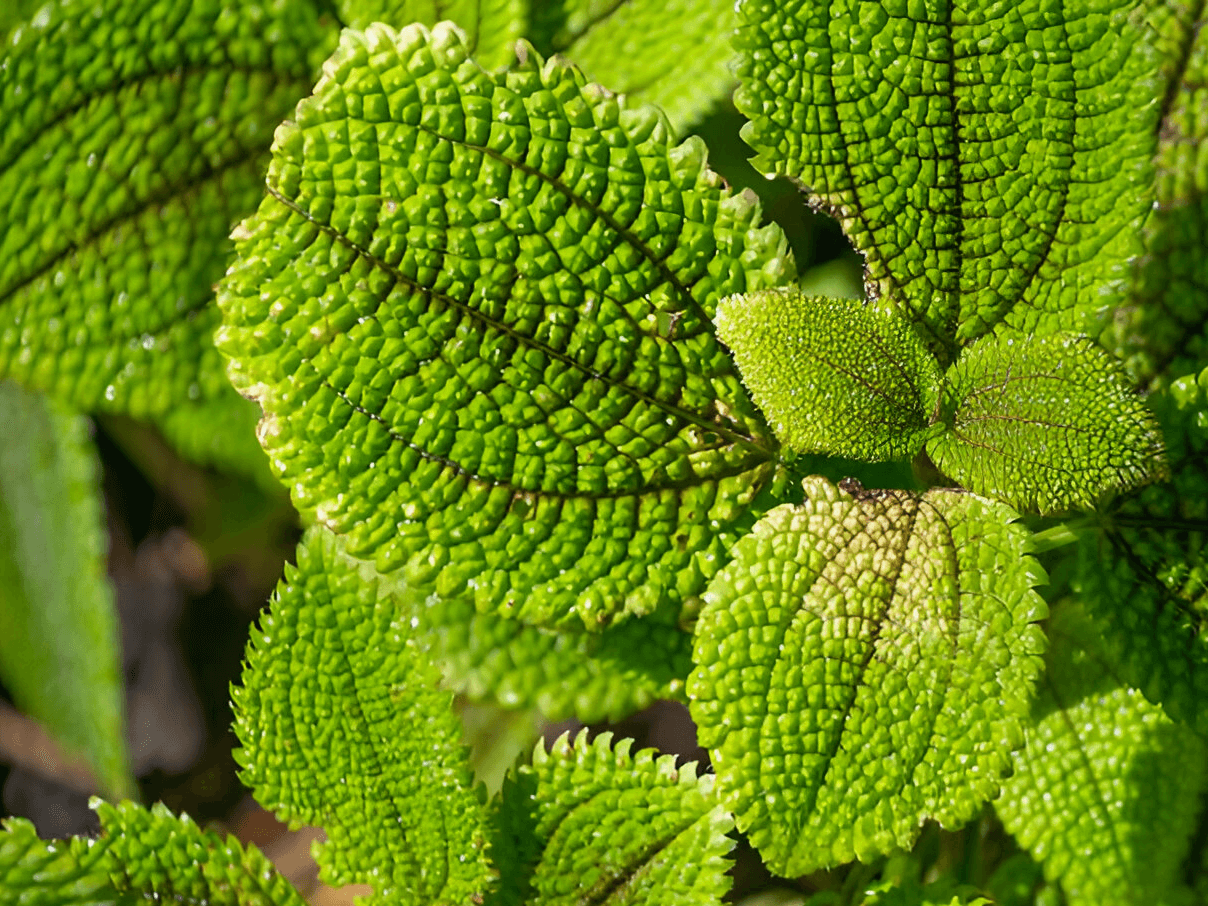
The friendship plant has fuzzy, intricately patterned leaves, making it a fascinating houseplant that’s also safe for cats and dogs. Occasionally, it will even produce small pink flowers.
Care Instructions
This plant prefers moderate to bright, indirect light and should be watered when the soil begins to dry out. It thrives in temperatures between 65-85°F.
Design Tip
Pair with a small decorative planter to highlight its unique foliage on a side table or bookshelf.
11. Calathea Orbifolia
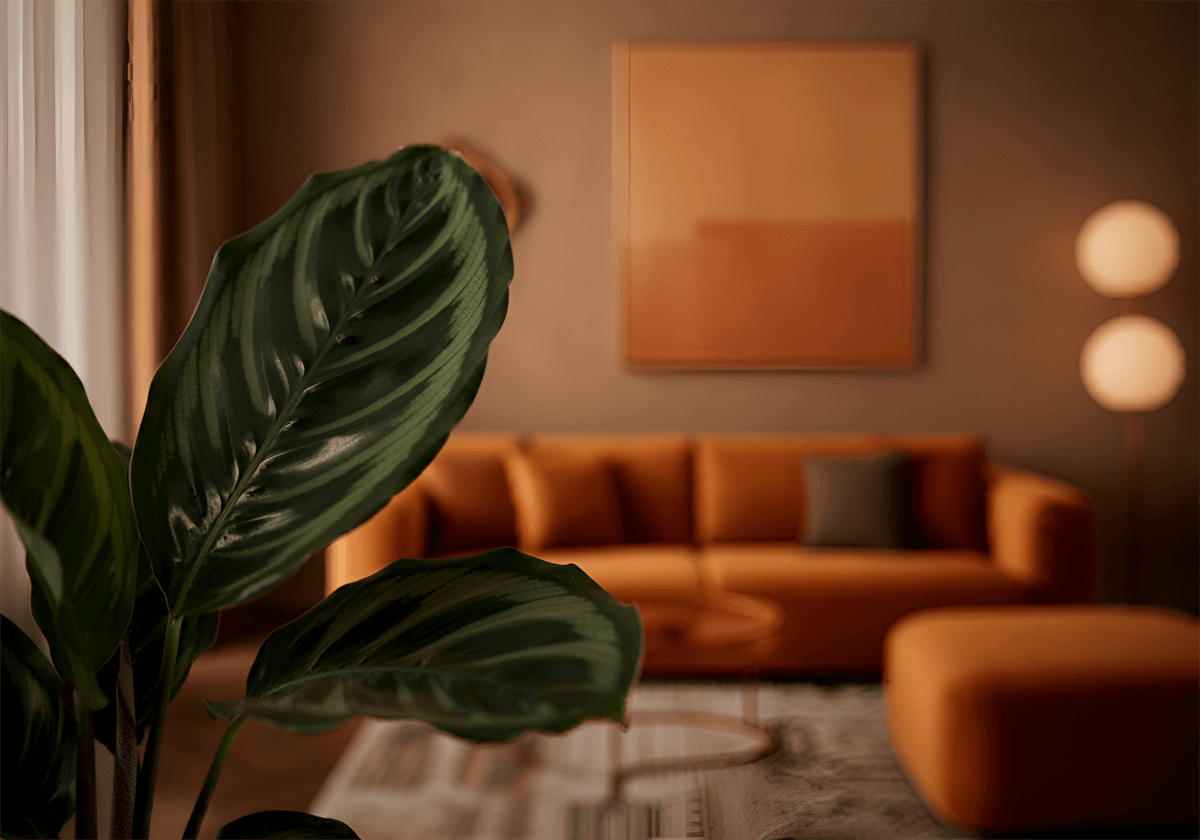
Calathea orbifolia is known for its stunning, large round leaves with silvery-green stripes. It adds a sophisticated touch to any room and is safe for pets.
Care Instructions
It thrives in medium to low light and prefers a high-humidity environment. Keep the soil consistently moist but not waterlogged.
Design Tip
Calathea orbifolia looks gorgeous in a satin finish planter that complements the plant’s striking patterns.
12. Bamboo Palm (Chamaedorea seifrizii)
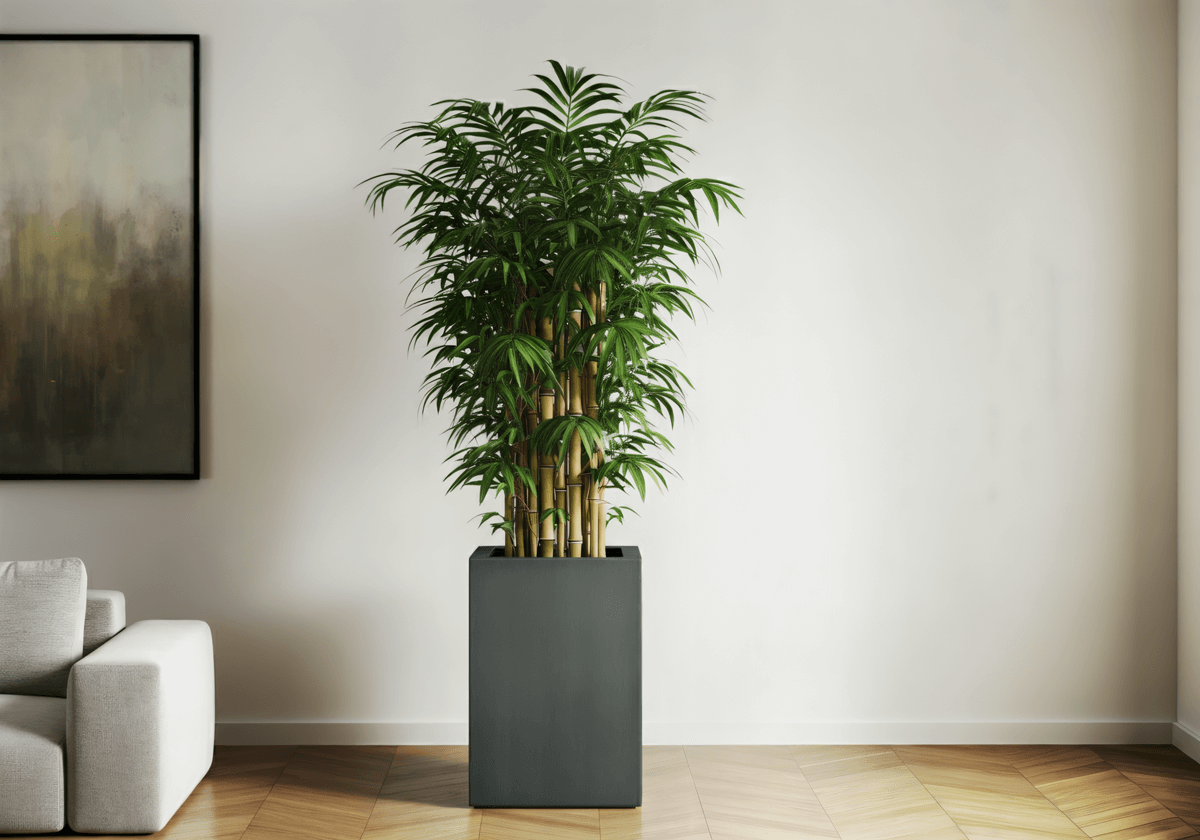
The bamboo palm has a graceful, airy appearance that’s perfect for a living room or office. Plus, it’s non-toxic and helps purify the air.
Care Instructions
Bamboo palms do best in bright, indirect light but can tolerate lower light conditions. Keep the soil slightly moist.
Design Tip
Place it in a glossy planter to add a modern touch to your indoor garden.
13. Cast Iron Plant (Aspidistra elatior)
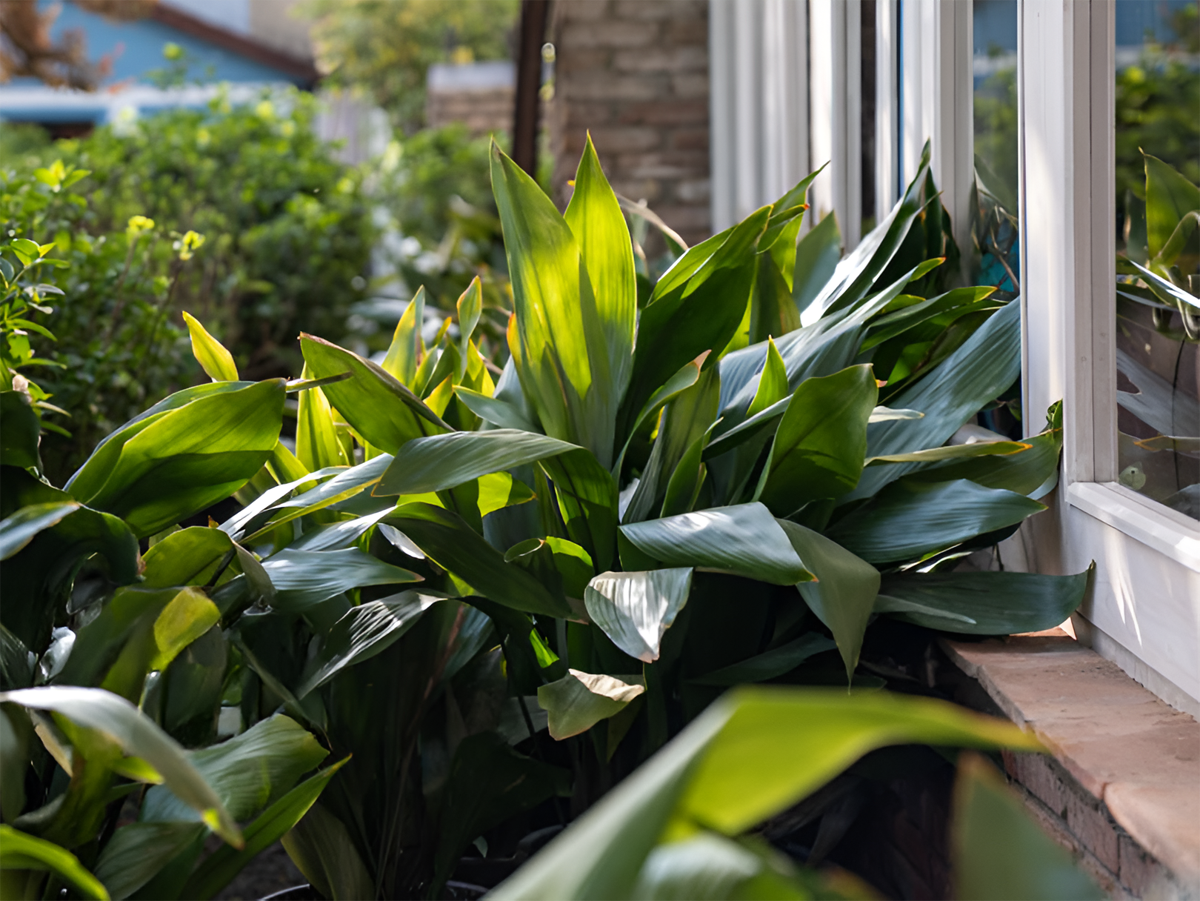
The cast iron plant is as tough as its name suggests—it can thrive in a variety of conditions and is pet-friendly too.
Care Instructions
This plant tolerates low light and infrequent watering, making it an excellent low-maintenance choice.
Design Tip
Use a matte black planter to create a bold contrast with the deep green leaves.
14. Lipstick Plant (Aeschynanthus radicans)
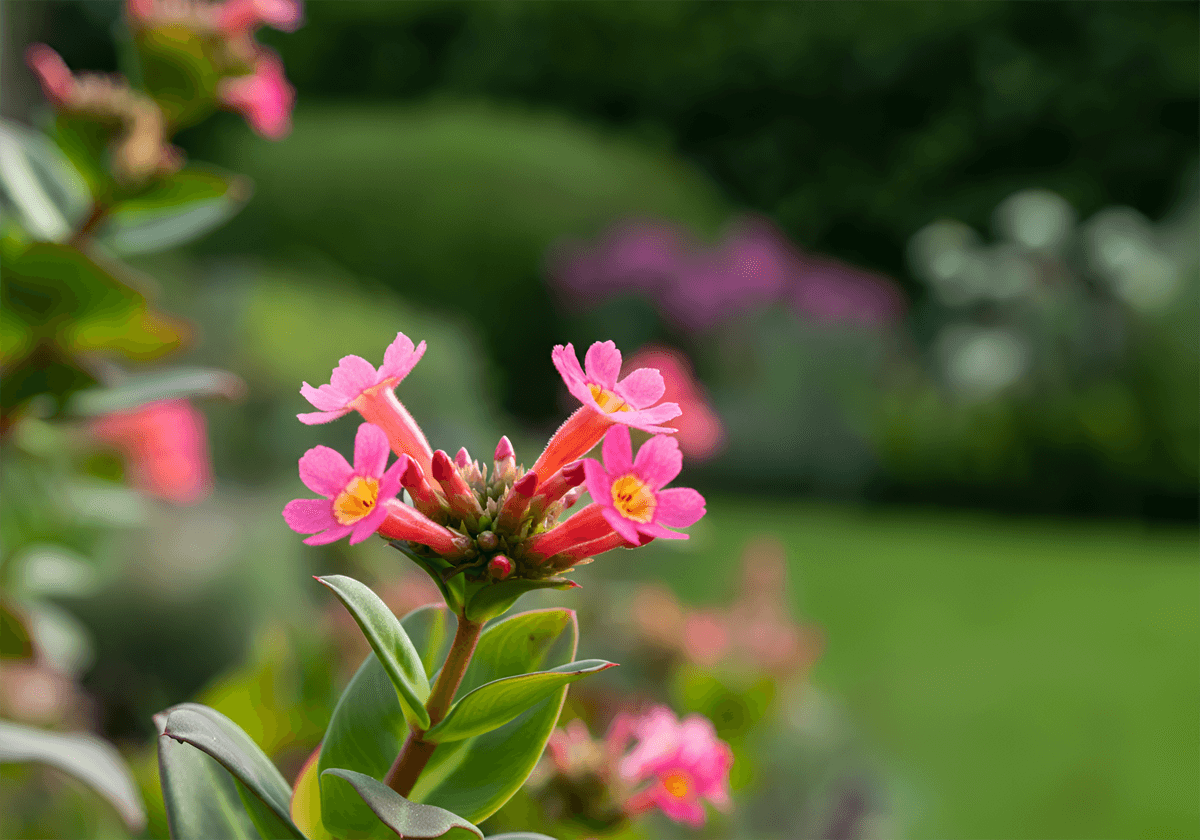
This unique trailing plant gets its name from the red, tubular flowers that resemble lipstick. It’s not only visually interesting but also safe for pets.
Care Instructions
Lipstick plants thrive in bright, indirect light and should be watered when the top few inches of soil are dry.
Design Tip
Place in a hanging planter to let its vines trail down beautifully.
15. Majesty Palm (Ravenea rivularis)
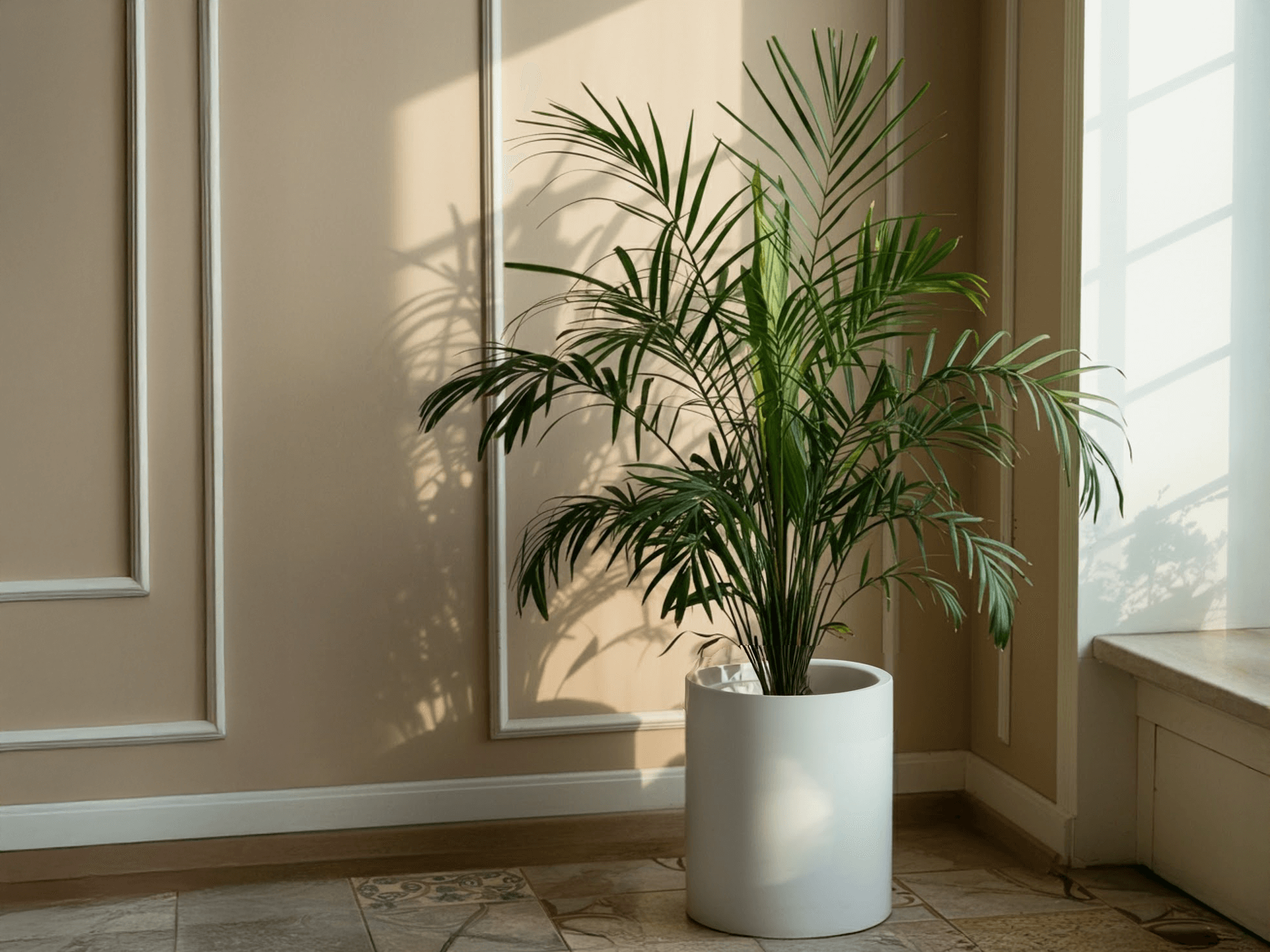
Majesty palms are popular for their tropical appearance, and the good news is that they are also safe for pets.
Care Instructions
These palms prefer bright, indirect light and require moist but well-draining soil.
Design Tip
Showcase majesty palms in a tall planter to add height and visual drama to your space.
16. Staghorn Fern (Platycerium spp.)
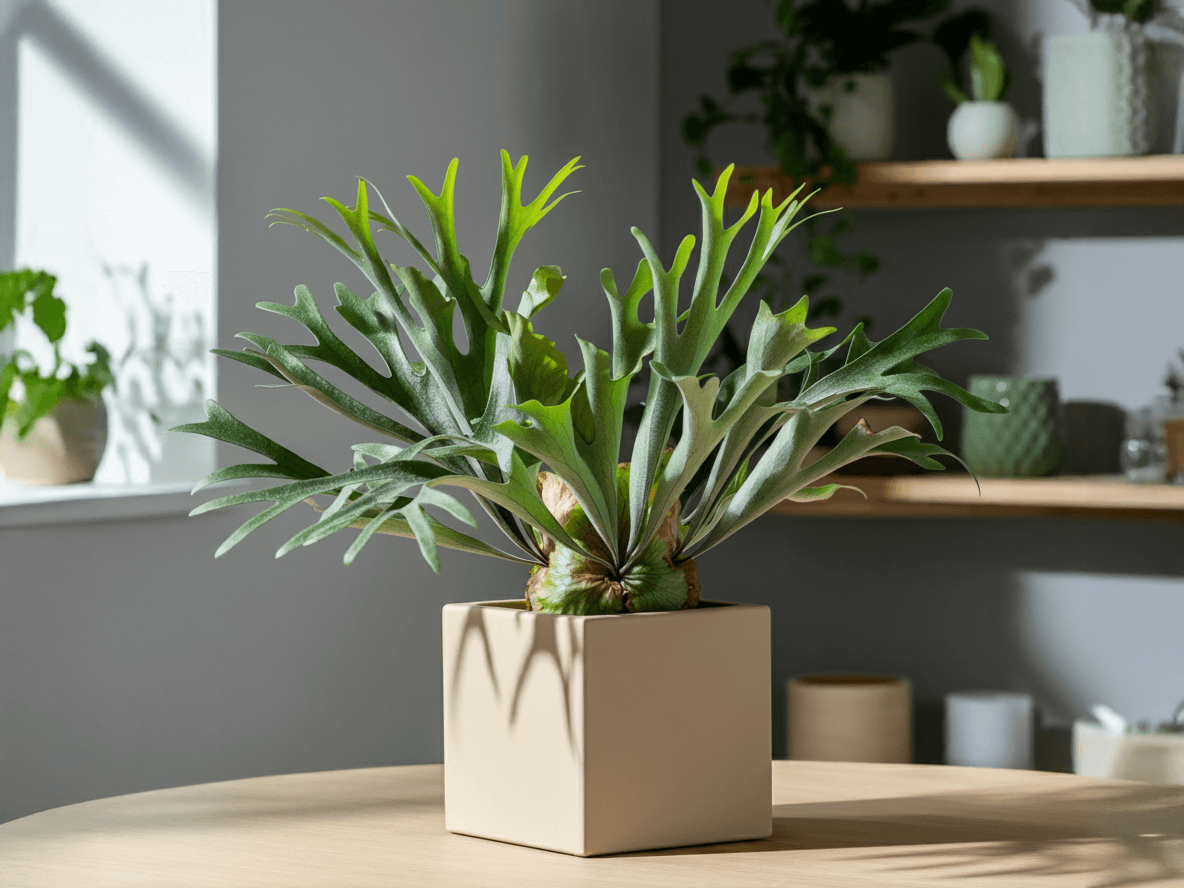
The staghorn fern is not your average houseplant. With its uniquely shaped fronds that resemble deer antlers, it’s sure to be a conversation starter and is safe for pets.
Care Instructions
These ferns like bright, indirect light and should be watered thoroughly but allowed to dry slightly between waterings.
Design Tip
Mount it on a wooden board or place it in a wall planter to make a bold statement.
17. Bromeliad (Bromeliaceae)
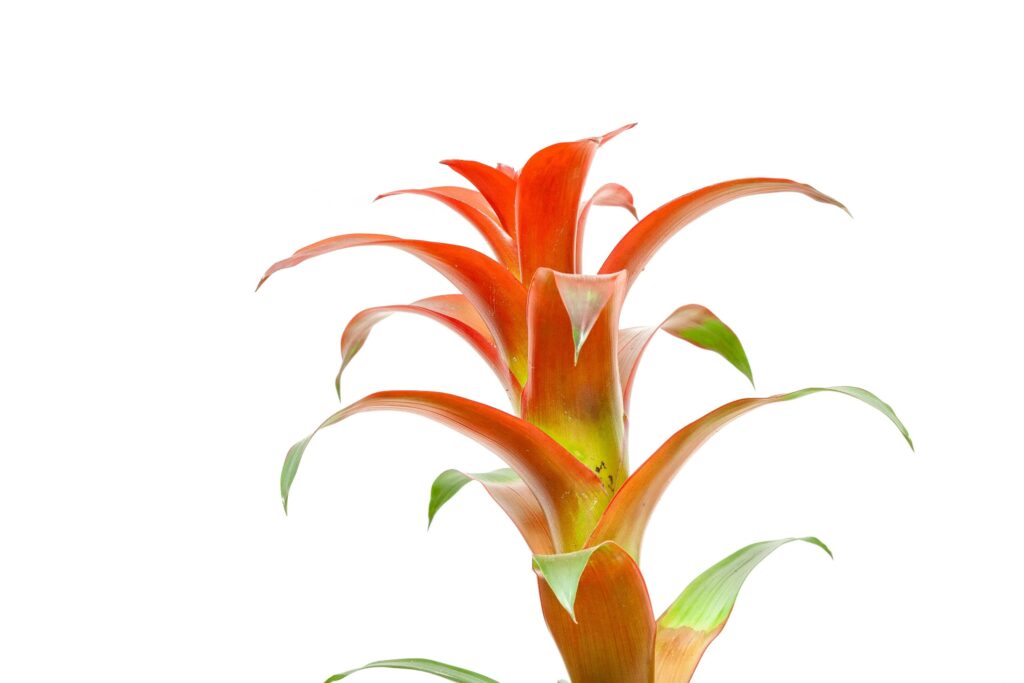
Bromeliads are a colorful, tropical option for any indoor space, with blooms that can last for several months. Even better, they’re non-toxic to cats and dogs.
Care Instructions
Bromeliads thrive in bright, indirect light and require moderate humidity. Water them by filling the central cup, but make sure the soil is also slightly moist.
Design Tip
Use a vibrant-colored planter to enhance the bright hues of the bromeliad flowers.
18. Haworthia (Haworthiopsis spp.)
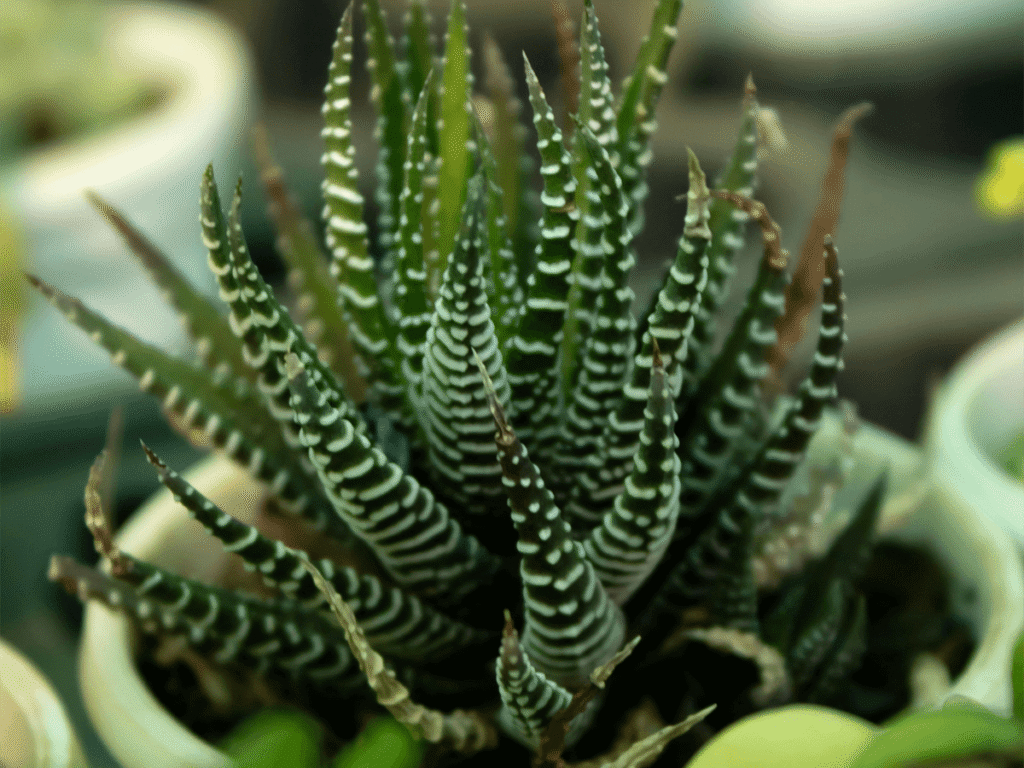
Haworthia is a pet-safe succulent that’s easy to care for and perfect for beginners. Its compact rosette form makes it a great option for desks or shelves.
Care Instructions
Haworthias thrive in bright, indirect light and should be watered sparingly, allowing the soil to dry out completely between waterings.
Design Tip
Place in a small tabletop planter for a chic, minimalist look that’s perfect for any small space.
19. Prayer Plant (Maranta leuconeura)
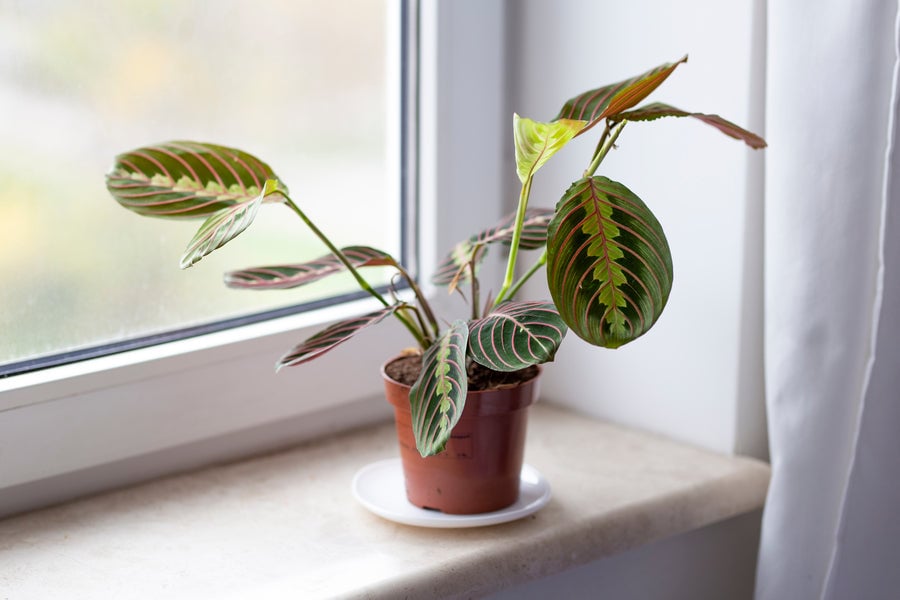
The prayer plant gets its name from the way its leaves fold up at night, resembling praying hands. Its colorful foliage is safe for pets and makes it a popular choice for households with furry companions.
Care Instructions
Prayer plants prefer bright, indirect light and need consistently moist soil. Mist the plant regularly to maintain humidity.
Design Tip
If your plant needs more light, consider putting it in a glossy white planter, which can reflect light back onto the plant to increase exposure.
20. Peperomia (Peperomia spp.)
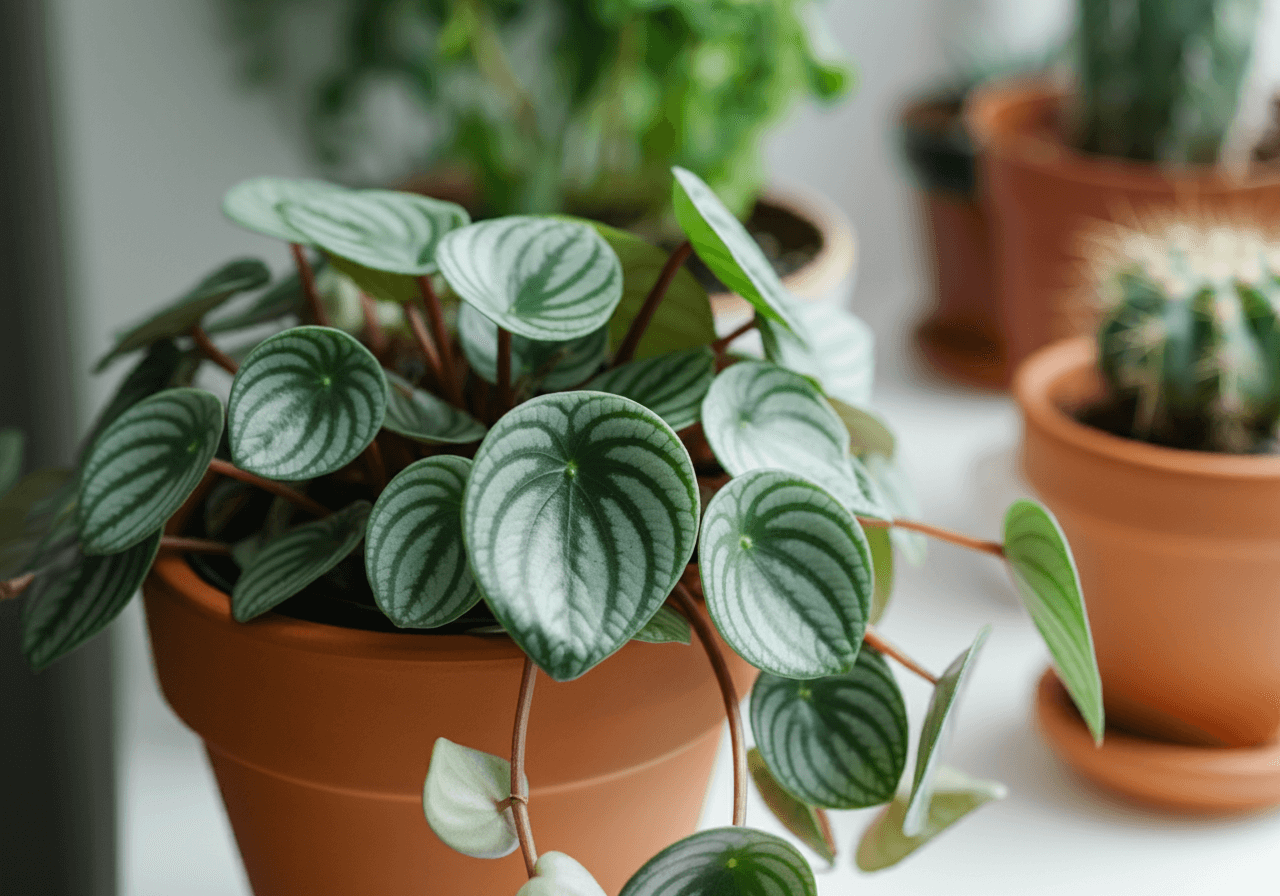
Peperomias are diverse, pet-safe plants with thick, textured leaves that come in a variety of shapes and colors. They’re easy to care for and perfect for adding a touch of greenery to your home.
Care Instructions
Peperomias do best in medium to bright, indirect light and require watering when the top inch of soil is dry. They can tolerate some neglect, making them ideal for busy households.
Design Tip
Place in a ceramic planter to add a stylish touch to your living room or kitchen.
Benefits of Pet-Friendly Plants
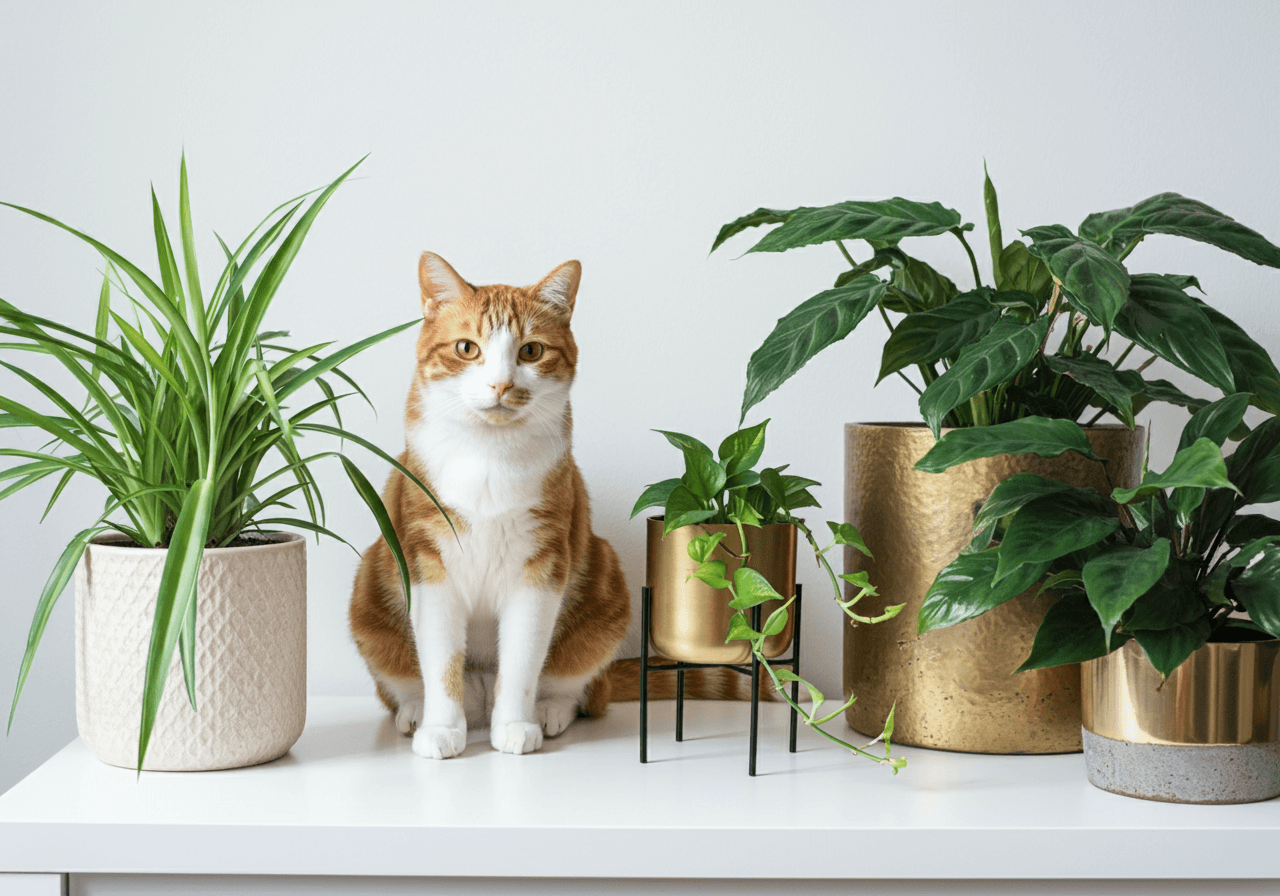
Having pet-friendly plants in your home is more than just a design choice—it’s a way to ensure the safety of your beloved furry friends while reaping the benefits of indoor greenery. Plants can improve indoor air quality, reduce stress, and add beauty to your living space. By choosing non-toxic varieties, you can create a harmonious environment where both your plants and pets thrive.
If you’re interested in more plant care tips or finding the perfect planters for your pet-friendly indoor garden, explore our full collection of planters that suit every style and need.
Ready to Enhance Your Indoor Garden?
Discover our wide range of pet-friendly planters that combine style and functionality. Perfect for any space, our planters ensure your plants thrive while keeping your furry friends safe.
Frequently Asked Questions
Are all houseplants safe for pets?
While many houseplants are safe for pets, some can be toxic. Always research a plant’s safety before introducing it to your home.
How can I prevent my pets from eating my plants?
Use pet-safe planters, place plants out of reach, or use deterrents like citrus peels to discourage pets from nibbling on plants.
What should I do if my pet ingests a toxic plant?
If you suspect your pet has ingested a toxic plant, contact your veterinarian immediately for advice and potential treatment.
How often should I water my pet-friendly plants?
Watering frequency depends on the plant type. Always check the soil moisture before watering to avoid overwatering.
Can I use decorative planters for my indoor plants?
Absolutely! Decorative planters not only enhance the aesthetic appeal of your space but also provide a safe environment for your plants.