Table of Contents
How Can You Identify Overwatering and Root Rot?
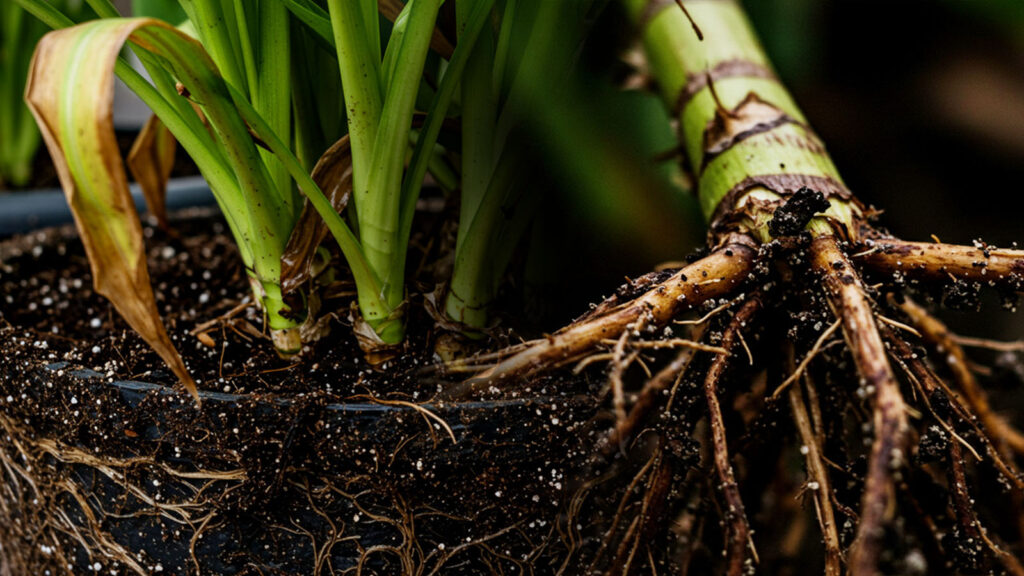
When roots can’t breathe, they rot. This is what overwatering looks like—mushy roots, soggy soil, and stressed plants. Let your soil dry out between waterings to keep roots healthy and thriving. Early detection is key to saving overwatered plants from irreversible damage. Keep an eye out for:
- Wilting or Drooping Leaves: Counterintuitive but common, since waterlogged roots can’t absorb oxygen effectively.
- Yellowing Leaves: Persistent yellowing, especially of older leaves, signals excessive moisture.
- Soft, Brown Roots: Healthy roots are firm and pale; diseased roots appear mushy and may emit foul odors.
- Mold or Fungus Growth: Overly damp conditions encourage mold on soil surfaces or planter edges.
- Stunted Growth: Chronic waterlogging hinders root function, leading to smaller or underdeveloped plants.
How Often Should You Water Your Plants?
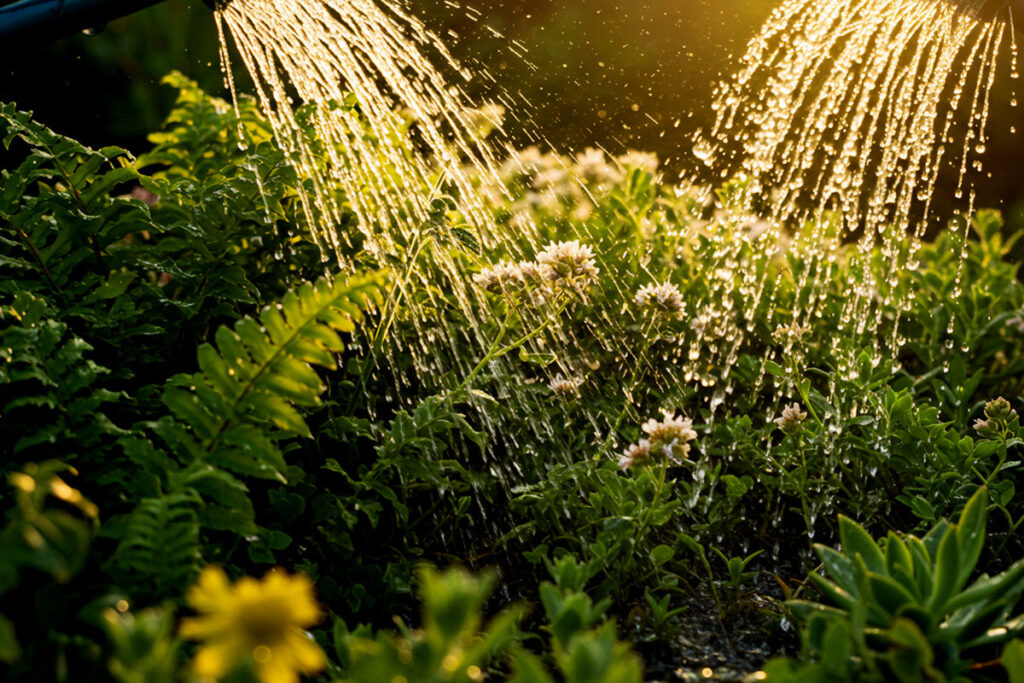
Watering schedules vary according to plant type, pot size, environmental factors, and seasonal changes. Use this baseline chart to guide your routine, then adjust as needed:
| Plant Type | Watering Frequency | Additional Tips |
|---|---|---|
| Flowers | Every 3-4 days | Water when the top inch of soil is dry |
| Shrubs | Every 5-7 days | Deep watering encourages stronger root systems |
| Trees | Every 7-10 days | Ensure water penetrates deeply into the soil |
| Succulents & Cacti | Every 10-14 days | Allow soil to completely dry before watering again |
| Herbs & Vegetables | Every 2-3 days | Check daily in hot or dry climates |
Always adapt your watering routine to temperature, humidity, plant growth stage, and seasonal shifts. Over time, you’ll develop an instinctive feel for each plant’s needs.
How Can You Prevent Overwatering and Root Rot?
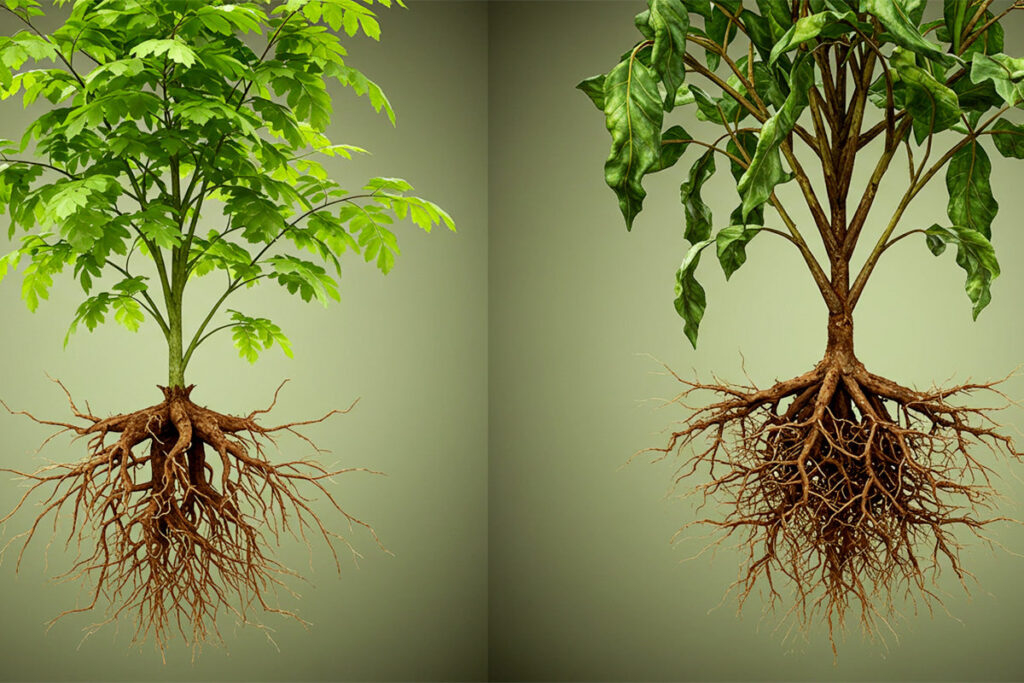
Stopping root rot before it starts is simpler than reversing damage. Implement these strategies:
- Ensure Proper Drainage: Excess water must escape freely. Fiberglass planters offer excellent moisture control and easy customization with drainage holes. Many of our models come with optional pre-drilling.
- Layer Planting Materials: Add gravel, pebbles, or activated charcoal at the planter’s base to promote efficient water flow. Extra shelves or saucers can further assist in water collection.
- Select Appropriate Soil: For succulents/cacti, opt for fast-draining soils. Tropical plants prefer moisture-retaining mixes like peat moss. Enrich with compost and perlite for shrubs and trees.
- Monitor Moisture Levels: Regularly test soil moisture using your finger or a meter. In general, allow the top inch of soil to dry between waterings.
Recommended Planters for Optimal Plant Health
The right planter can significantly influence drainage and plant well-being. Consider these top fiberglass planters:
- Shallow Root Systems: The Casablanca Bowl Planter is perfect for succulents, herbs, and flowering plants.
- Deep Root Systems: A spacious option like the Hudson Extra Long Rectangular Planter supports trees, shrubs, and more robust root growth.
- Versatile Applications: The Milano Narrow Rectangular Planter combines a stylish profile with functionality for indoor houseplants or outdoor displays.
Additional Tips for Healthy Plants
- Routine Inspection: Check plants regularly for overwatering, pests, or disease symptoms.
- Consistent Maintenance: Remove damaged foliage promptly to direct energy toward healthy new growth.
- Seasonal Adjustments: Water more frequently in warm, dry climates and reduce watering in cooler, damp periods.
Keep Your Plants Thriving
By implementing these proven techniques—ensuring proper drainage, using suitable soils, and monitoring moisture levels—you can protect your plants from root rot and maintain a flourishing garden. Durable, premium planters from Planters Etcetera further simplify your plant care journey with customizable features that foster perfect hydration and airflow.
Grow with Confidence
Take the next step toward healthier, happier plants. Browse our range of stylish fiberglass planters and elevate your gardening experience.
FAQs
Why is drainage so important for planters?
Proper drainage prevents excess moisture buildup, which can lead to root rot. Adequate water flow ensures roots receive oxygen and nutrients.
Should I use a moisture meter or just check soil by hand?
Both methods work. Many gardeners prefer using a finger test for simplicity, but a moisture meter offers more precise readings—especially useful for beginners.
Can I save a plant that has begun to show signs of root rot?
It depends on severity. If caught early, you can trim away the damaged roots, repot in well-draining soil, and adjust your watering habits.
How often should I add fertilizer?
This varies based on plant type and fertilizer instructions. Generally, adding a balanced fertilizer every 4-6 weeks during the growing season helps sustain healthy growth.